Leave A Message
Tips: Kindly notice that reply of inquiry via email may went into spam, please kindly check your spam if you have sent inquiry email and do not receive replies, thank you.

Buyers comparing are laundry pods eco friendly should use one written specification for every supplier. The specification should identify the formula direction, unit format, package, target market, test conditions and acceptance criteria.
The approved are laundry pods eco friendly sample should have a code and date. Before ordering are laundry pods eco friendly, confirm that the quotation, artwork and test evidence refer to that same version. For are laundry pods eco friendly projects, any later formula, fragrance, film or packaging change should require written buyer approval.
are laundry pods eco friendly ? The answer depends on formula ingredients, dose, water-soluble film, packaging, transport, use conditions and the evidence behind each environmental claim. Pod format alone does not prove sustainability.
Compare the complete product life cycle and define every claim precisely. Review test scope, packaging material and weight, dose per wash, transport efficiency and local disposal conditions before using terms such as biodegradable or plastic-free.
For product-safety context, review the official CPSC liquid laundry packet guidance. Market requirements and claim evidence must still be confirmed for the exact formula, package and destination.
Laundry pods are not automatically sustainable or unsustainable. Their environmental profile depends on formula ingredients, dose, wash performance, water-soluble film, packaging, manufacturing, transport and disposal. Buyers should compare the complete product and support each environmental claim with a defined method.
Compare products per successful wash under the same conditions, not only per kilogram of detergent or per package. A smaller dose can reduce material and transport, but only if it delivers the required cleaning and does not cause rewashing.
Review surfactant biodegradation, degradation products, aquatic toxicity, builders, enzymes, fragrance and other ingredients. EPA’s Safer Choice surfactant criteria evaluate biodegradation together with degradation products and aquatic toxicity, illustrating why one “biodegradable” statement is not enough.
Premeasured pods can reduce accidental overdosing, but the fixed dose may be too much for a small load or too little for a heavily soiled load. Brands should define the intended load and water conditions clearly and provide instructions for unusual loads.
PVA film is designed to dissolve during washing, but dissolution is not the same as a complete environmental-fate assessment. Buyers should request information on the selected film and finished product, then avoid broad claims such as “plastic-free” or “leaves no trace” unless the wording is supported and permitted in the target market.
Compare packaging weight, recycled content, recyclability in the destination market, moisture barrier, closure and transport efficiency. Packaging must also protect the pods: a lightweight pack that allows moisture damage can increase waste.
Ask about production yield, energy and water controls, rejected-product handling, carton utilization and shipping configuration. Concentrated products may reduce transport mass and volume, but the benefit should be assessed against the actual pack and route.
Generic words such as “green,” “eco-safe” and “environmentally friendly” can be misleading without qualification. EPA advises purchasers to interpret vague green claims carefully and points to standardized biodegradability definitions and transparent labeling in its greener cleaning product guidance.
Depending on the claim, request formula information, safety data, ingredient environmental data, certificate of analysis, relevant laboratory reports, packaging specifications and calculation assumptions. The SHINEC certificate gallery shows examples of product documents; public copies should redact sensitive report numbers, customer details and proprietary composition information.
| Category | Questions to ask |
|---|---|
| Formula | What evidence covers environmental fate and hazard? |
| Dose | What load and wash conditions does one pod cover? |
| Performance | Does the product clean without unnecessary rewashing? |
| Film | What information supports the selected claim? |
| Packaging | Is it protective, material-efficient and locally recyclable? |
| Claims | Are they specific, substantiated and market-appropriate? |
A more sustainable laundry pod project begins with measurable priorities: ingredient criteria, correct dosing, effective cleaning, protective packaging and credible claims. Optimize trade-offs rather than relying on one fashionable label.
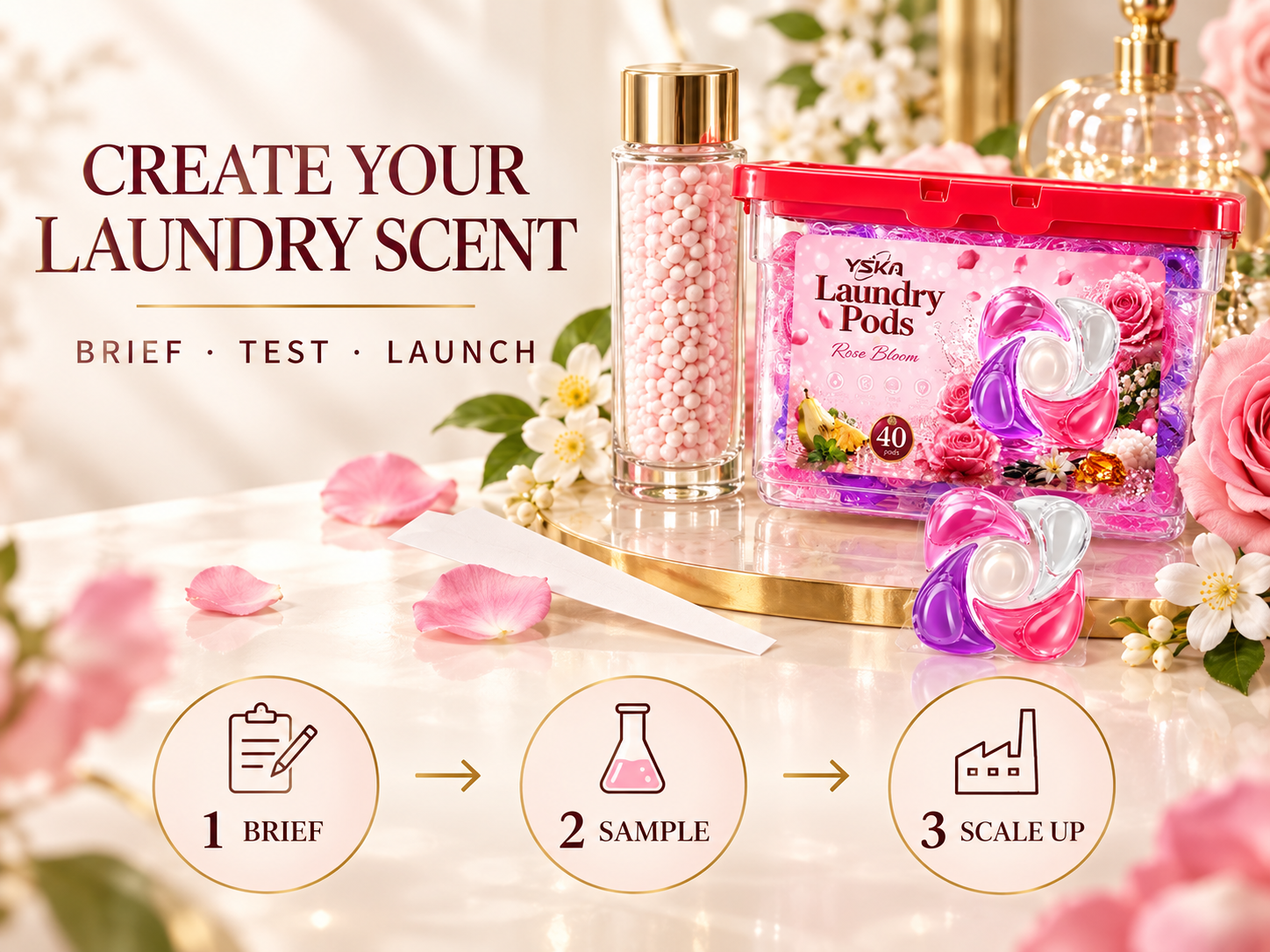
SHINEC supports OEM/ODM buyers with formula options, sample evaluation, packaging development and project document review. Contact us with the target market and sustainability criteria so the brief can be translated into a testable product specification.
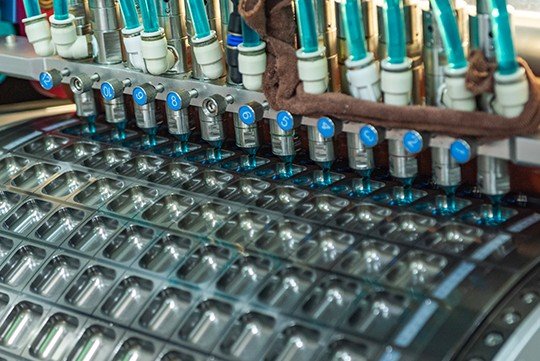
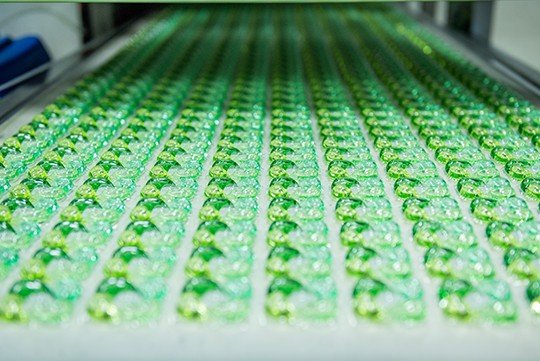
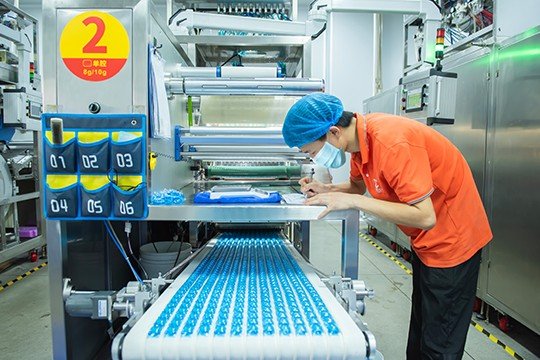
The following SHINEC factory images provide production, laboratory and quality-control context. Buyers should still verify the exact line, sample and document scope for their selected product.