Leave A Message
Tips: Kindly notice that reply of inquiry via email may went into spam, please kindly check your spam if you have sent inquiry email and do not receive replies, thank you.

Buyers comparing laundry pods OEM MOQ should use one written specification for every supplier. The specification should identify the formula direction, unit format, package, target market, test conditions and acceptance criteria.
The approved laundry pods OEM MOQ sample should have a code and date. Before ordering laundry pods OEM MOQ, confirm that the quotation, artwork and test evidence refer to that same version. For laundry pods OEM MOQ projects, any later formula, fragrance, film or packaging change should require written buyer approval.
laundry pods OEM MOQ is not one universal factory number. It changes with pod structure, formula, fragrance development, printed packaging, pack count, material suppliers and the number of variants in one order.
Ask whether the quotation minimum refers to pods, retail packs, cartons or one SKU. Then separate the product-line minimum from packaging print minimums, tooling, testing and freight economics before negotiating a smaller trial order.
For product-safety context, review the official CPSC liquid laundry packet guidance. Market requirements and claim evidence must still be confirmed for the exact formula, package and destination.
Laundry pods OEM MOQ is the minimum order quantity a manufacturer will accept for a defined product and packaging configuration. It is not a universal number. The workable MOQ depends on whether the buyer uses an existing formula or requests a custom one, the pod structure, fragrance, colors, pack type, artwork, printing method, raw-material minimums, and production-line setup.
Before comparing suppliers, confirm what the quoted MOQ actually measures: individual pods, retail packs, cartons, kilograms, or total order value. A headline such as “3,000 units” is incomplete unless the supplier defines the unit and lists what is included.
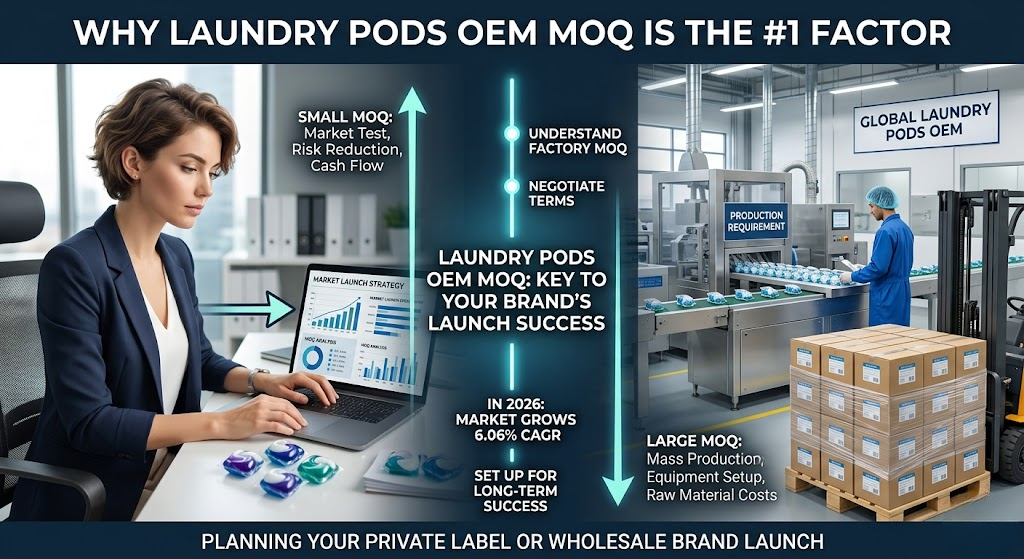
A reliable MOQ quotation connects the minimum quantity to one approved specification. Ask the supplier to state the pod weight, chamber count, formula, fragrance, color, film, pack count, package type, artwork, carton configuration, and destination market.
| MOQ Term | What the Buyer Should Confirm |
|---|---|
| Pod MOQ | Number or weight of finished pods for one formula, fragrance, and structure |
| Pack MOQ | Number of finished retail bags, tubs, or boxes and the count per pack |
| Packaging MOQ | Minimum printed film, labels, tubs, boxes, zippers, lids, or cartons |
| Fragrance or raw-material MOQ | Supplier minimum for a custom fragrance, film color, additive, or component |
| Order-value minimum | Whether different approved products may be combined to reach it |
For example, 3,000 retail packs containing 30 pods each is a different production commitment from 3,000 individual pods. Always convert the quotation into total pods, total packs, cartons, gross weight, and total order value.
MOQ normally reflects real setup and supply-chain constraints. A production change may require formula preparation, line cleaning, film and chamber adjustments, fragrance allocation, color control, trial output, quality checks, packaging setup, printing, coding, and carton preparation. Some packaging suppliers also impose minimum runs that are higher than the detergent factory’s production minimum.
This is why two suppliers can quote different MOQs for products that look similar. The correct comparison is not simply “who offers the lowest MOQ,” but “what specification, evidence, packaging, and cost are included at that MOQ?”
Using a manufacturer’s validated formula, available fragrance, standard pod structure, existing film colors, stock packaging, and label application may reduce setup requirements. A fully custom project can require separate minimums for the formula, exclusive fragrance, chamber design, printed film, tub color, molded components, box structure, and artwork.
Buyers should separate customization into phases. The first order can validate the product and market with fewer custom components; later orders can add exclusive fragrance, custom colors, or fully printed packaging when demand and forecast accuracy are stronger. This staged approach must still meet safety, compliance, and brand requirements.
Instead of asking only for the “lowest MOQ,” request three comparable options using the same product target:
For each option, request MOQ, unit definition, unit price, one-time fees, sample cost, packaging balance, lead time, payment terms, quotation validity, and what changes at the next quantity tier.
A lower MOQ can reduce inventory exposure, but it may increase unit cost, packaging waste, setup allocation, freight cost per unit, or one-time fees. A higher MOQ may reduce the quoted unit price while increasing cash tied up in stock, storage, insurance, expiry or aging risk, and the cost of changing an underperforming fragrance or pack size.
Compare scenarios using total landed cost rather than factory price alone. Include product, packaging, printing, plates or molds, samples, testing, inspection, freight, insurance, duties, customs charges, warehousing, payment fees, sales-channel costs, returns, and contingency. The right MOQ is the quantity that fits the buyer’s evidence, cash flow, sales forecast, and reorder lead time.
For the wider planning process, use our laundry pod business launch guide.
MOQ negotiation works best when the buyer reduces operational complexity instead of asking the factory to absorb it. Practical options include:
Do not lower MOQ by accepting an unclear formula, untested package, missing documents, or unapproved artwork. Product and compliance risk can cost more than the inventory reduction.
A small order is not a substitute for sample approval. Test the formula, film, fragrance, chamber design, and package under the intended conditions. Confirm cleaning, dissolution, leakage, seal strength, scent performance, storage stability, closure, artwork, and transport resistance.
Keep a signed reference sample and final specification. Use the 15-point laundry pod sample checklist before bulk production.
No. It may be possible for a particular standard configuration, but it is not a universal factory promise. The supplier must define whether “units” means pods, retail packs, cartons, or another measure and confirm the specification and packaging included.
Printed films, boxes, tubs, lids, labels, and other components may be produced by separate suppliers with their own setup and minimum-run requirements. Ask who owns and stores any unused balance.
Sometimes, but each fragrance or formula may require a separate batch and changeover. The manufacturer must confirm the minimum for every variation and whether a combined order is operationally possible.
A useful laundry pods OEM MOQ is tied to a complete specification, clear unit, documented cost, sample approval, packaging plan, and realistic reorder strategy. Buyers should compare equivalent scenarios and choose the quantity that balances production feasibility with market and inventory risk.
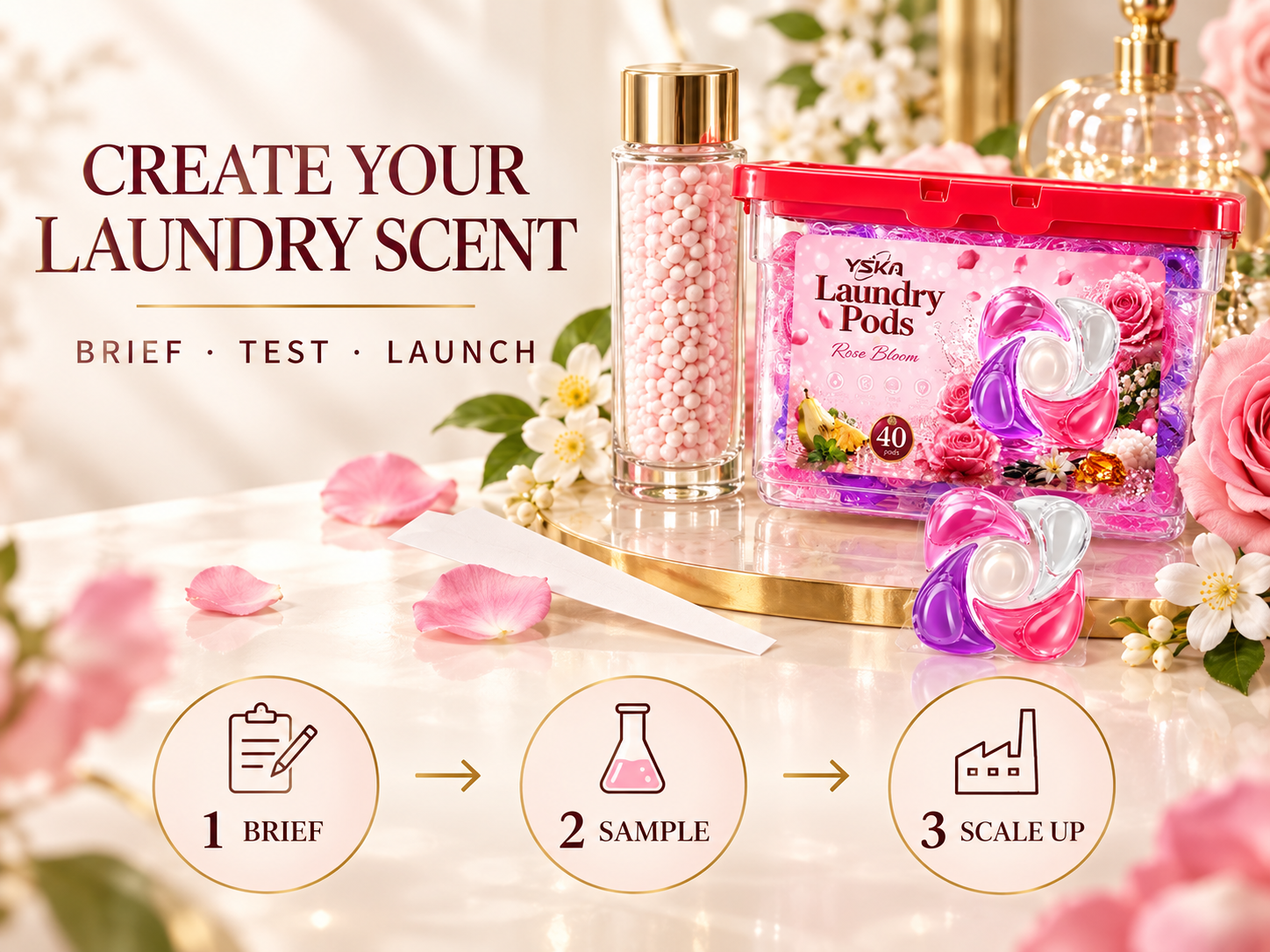
To request an OEM/ODM quotation, contact SHINEC with your destination market, pod specification, fragrance, pack type, pack count, expected quantity, and launch schedule.
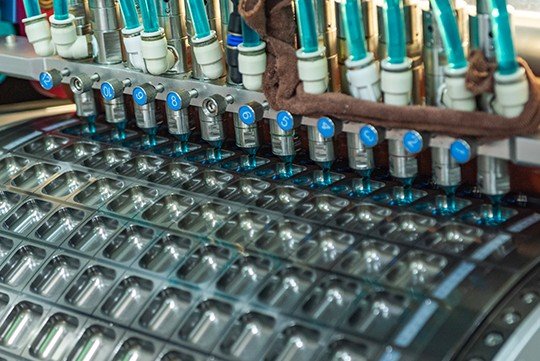
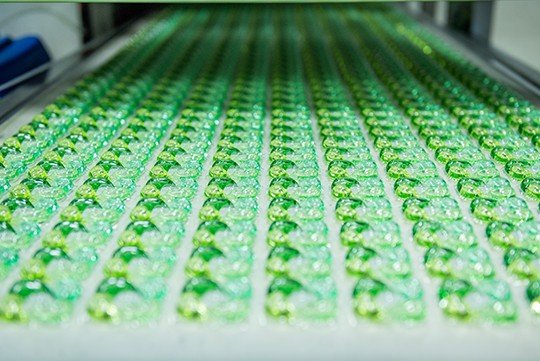
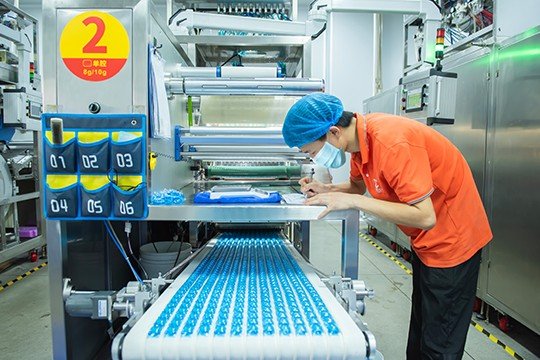
The following SHINEC factory images provide production, laboratory and quality-control context. Buyers should still verify the exact line, sample and document scope for their selected product.