Leave A Message
Tips: Kindly notice that reply of inquiry via email may went into spam, please kindly check your spam if you have sent inquiry email and do not receive replies, thank you.

Buyers comparing long-lasting fragrance laundry pods should use one written specification for every supplier. The specification should identify the formula direction, unit format, package, target market, test conditions and acceptance criteria.
The approved long-lasting fragrance laundry pods sample should have a code and date. Before ordering long-lasting fragrance laundry pods, confirm that the quotation, artwork and test evidence refer to that same version. For long-lasting fragrance laundry pods projects, any later formula, fragrance, film or packaging change should require written buyer approval.
long-lasting fragrance laundry pods need more than a strong scent inside the package. Buyers should evaluate fragrance on dry fabric after a defined wash, drying method and storage period, then connect every duration claim to the exact formula and test conditions.
A practical review compares the pod fragrance, wet laundry, dry fabric and aged fabric under the same conditions. Record the fragrance dose, laundry load, wash program, drying method, fabric type, evaluation time and panel method so the result can be repeated before bulk production.
For product-safety context, review the official CPSC liquid laundry packet guidance. Market requirements and claim evidence must still be confirmed for the exact formula, package and destination.
A “72-hour scent” claim is not a universal property of laundry pods. It is a performance claim that should be supported by a defined wash, drying, storage and fragrance-evaluation method. For buyers, the important question is not whether a supplier can print “72 hours” on a package, but whether the selected formula can reproduce the result under the conditions used by the target customer.

Long-lasting fragrance describes the perceived scent that remains on fabric after washing and drying. The result depends on the fragrance composition, detergent base, fabric type, dose, wash temperature, rinse cycle, drying method and storage environment. A result observed on cotton after indoor drying may not be reproduced on polyester after tumble drying.
For this reason, a buyer should treat a duration such as 24, 48 or 72 hours as a test condition, not an automatic product guarantee. The claim must be connected to a written protocol and an agreed pass criterion.
Many fragrance materials are volatile. Some dissolve or rinse away, while others are affected by heat, alkalinity or contact with surfactants. Strong scent in a pod does not necessarily mean strong scent on dry fabric. The detergent must still clean correctly, dissolve without residue and remain stable throughout storage.
Before approving a claim, define the complete method. At minimum, record the washing machine type, water hardness, temperature, program, load weight, pod dose, reference fabrics, drying method and evaluation times. Use coded samples so evaluators do not know which formula they are smelling.
| Test item | What the buyer should define |
|---|---|
| Reference fabric | Fabric composition, size, preconditioning and number of swatches |
| Wash conditions | Machine, cycle, temperature, load, water hardness and dose |
| Drying | Line dry, indoor dry or tumble dry, with recorded conditions |
| Evaluation | Initial dry fabric plus agreed later time points |
| Scoring | Panel scale, reference sample and minimum acceptable score |
| Repeatability | More than one wash and, where practical, more than one production sample |
A trained sensory panel is useful for product development. Instrumental analysis can add evidence, but detecting a fragrance compound is not the same as proving that consumers perceive the intended scent. The strongest decision combines sensory evaluation, stability data and a clear record of test conditions.
Ask for the fragrance specification, allergen information and an IFRA conformity document applicable to the intended use. IFRA explains that its Standards manage the safe use of fragrance ingredients for specific product categories; an IFRA document does not replace the finished-product safety assessment or local legal duties. See the IFRA safe-use guidance.
The fragrance must also be evaluated in the finished laundry-pod formula. Check color change, odor drift, liquid separation, PVA-film interaction, seal strength and dissolution after storage. A fragrance that performs well in a bottle may behave differently inside a water-soluble film.
Compare at least two fragrance directions and include a control sample. Test cleaning, fragrance character, dry-fabric scent, residue, film dissolution and packaging compatibility together. A premium scent should not hide a weak cleaning formula or create a stability problem.
Use our 15-point laundry pod sample checklist to record results before approving a bulk order. If the product will use a specific duration claim, request the test report or arrange testing against the exact formula, package and market claim.
Not every premium laundry product needs a 72-hour headline. A distinctive fragrance profile, consistent dry-fabric experience and credible testing can be more valuable than a precise duration that is difficult to reproduce across consumer conditions. Match the claim to the evidence available in the destination market.
For fragrance architecture, sample development and private-label options, see our perfume-grade laundry pods specification guide and custom scent development guide.
Long-lasting fragrance is a product-development objective that must be verified in the final formula. Define the test method, compare samples under realistic wash conditions, review fragrance and safety documentation, and approve the claim only after the evidence matches the wording.
SHINEC supports OEM/ODM buyers with formula development, fragrance matching, sample evaluation and private-label packaging. Contact us with your market, target scent, pod specification and expected claim so the project can be assessed against a practical testing plan.
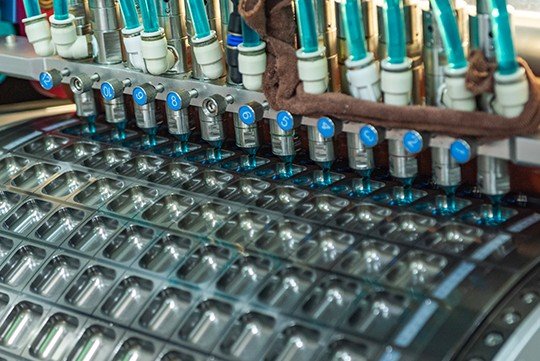
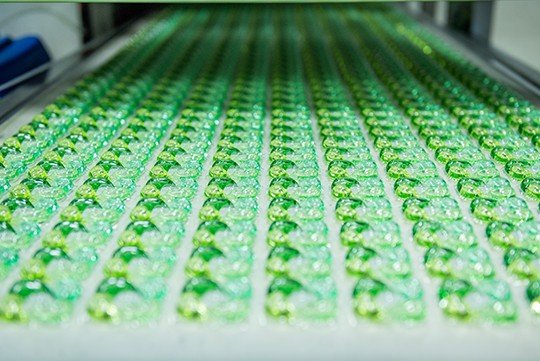
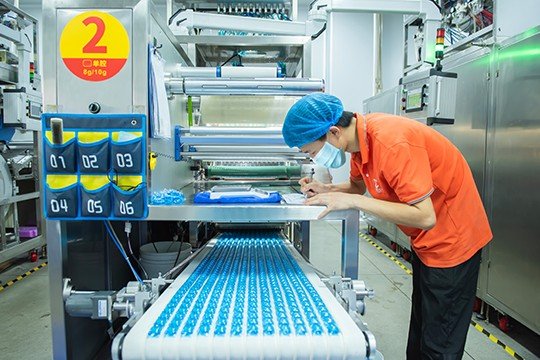
The following SHINEC factory images provide production, laboratory and quality-control context. Buyers should still verify the exact line, sample and document scope for their selected product.