Leave A Message
Tips: Kindly notice that reply of inquiry via email may went into spam, please kindly check your spam if you have sent inquiry email and do not receive replies, thank you.

Buyers comparing are laundry pods septic safe should use one written specification for every supplier. The specification should identify the formula direction, unit format, package, target market, test conditions and acceptance criteria.
The approved are laundry pods septic safe sample should have a code and date. Before ordering are laundry pods septic safe, confirm that the quotation, artwork and test evidence refer to that same version. For are laundry pods septic safe projects, any later formula, fragrance, film or packaging change should require written buyer approval.
are laundry pods septic safe ? The answer depends on the complete formula, dose, household use, septic-system condition and evidence behind the claim. A soluble pod format alone does not prove universal septic compatibility.
Review the full formula and recommended dose, then define the test method and realistic use conditions. Avoid broad claims such as safe for every septic system unless qualified evidence supports the exact product and the statement has been reviewed for the destination market.
For product-safety context, review the official CPSC liquid laundry packet guidance. Market requirements and claim evidence must still be confirmed for the exact formula, package and destination.
No laundry pod is universally “septic safe” under every formula, dose and system condition. Compatibility depends on the ingredients, recommended dose, household use pattern and the condition of the septic system. Brands should support any septic-related wording with product-specific evidence and avoid an unconditional safety guarantee.
Wash water carries dissolved detergent, soil and other materials into the septic tank. Solids settle, wastewater flows to the drain field and microorganisms contribute to treatment. Excess water, poor maintenance and unsuitable disposal practices can affect the system independently of the laundry product.
The U.S. EPA advises households to use an appropriate amount of detergent and maintain septic systems regularly. See the EPA’s home nutrient-pollution guidance.
EPA’s Safer Choice surfactant criteria consider biodegradation, degradation products and aquatic toxicity. This shows why “biodegradable” alone is not a complete environmental assessment.
The water-soluble film is only one component of a laundry pod. Film dissolution in a washing machine does not by itself prove the environmental fate of the complete product or its compatibility with every septic system. Review the finished formula, dose and available test evidence.
Define exactly what the claim means in the destination market. A useful evidence file may include the full formulation review, ingredient environmental data, dose instructions, finished-product testing where appropriate, label wording and legal review. The evidence should match the marketed formula.
A certificate of analysis or general factory certificate does not prove septic compatibility. Review SHINEC’s certificate and test-document examples as product evidence categories, then request the current documents for the selected formula. Sensitive report data should be redacted from public copies.
Avoid absolute phrases such as “safe for all septic systems” unless the brand has strong, market-specific substantiation. More precise wording can describe use according to label directions, the recommended dose and the evidence actually available. Final wording should be reviewed for the destination market.
For private-label brands, septic compatibility should be managed as a formulation and claim-substantiation question. Start with a defined formula, intended dose and destination-market wording; then build the evidence file around those details.
SHINEC supports OEM/ODM buyers with formula options, sample testing and project document review. Contact us with the target country, product specification and proposed claim for a project-specific assessment.
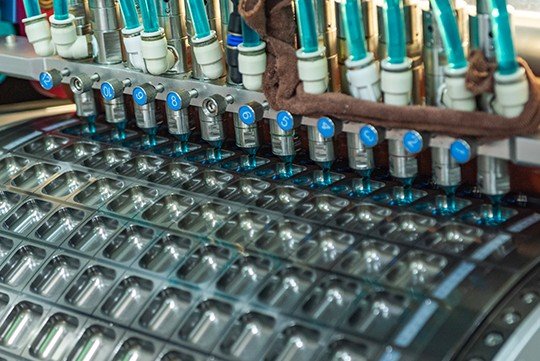
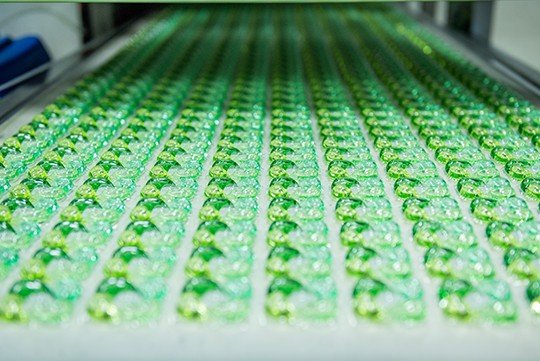
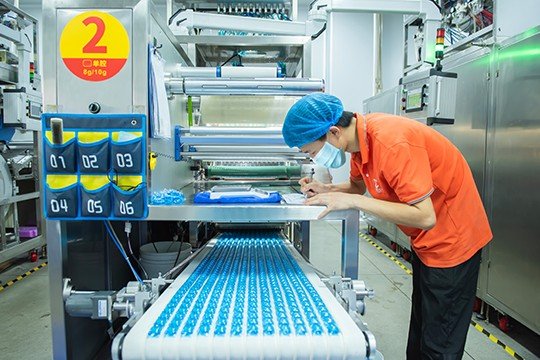
The following SHINEC factory images provide production, laboratory and quality-control context. Buyers should still verify the exact line, sample and document scope for their selected product.