Leave A Message
Tips: Kindly notice that reply of inquiry via email may went into spam, please kindly check your spam if you have sent inquiry email and do not receive replies, thank you.
Buyers comparing laundry pods factory in China should use one written specification for every supplier. The specification should identify the formula direction, unit format, package, target market, test conditions and acceptance criteria.
The approved laundry pods factory in China sample should have a code and date. Before ordering laundry pods factory in China, confirm that the quotation, artwork and test evidence refer to that same version. For laundry pods factory in China projects, any later formula, fragrance, film or packaging change should require written buyer approval.
laundry pods factory in China should connect its legal identity, production site, approved samples, quality records and shipment documents. Buyers should verify that chain before comparing prices or approving mass production.
Ask for current production evidence, coded sample records, incoming and in-process quality controls, document scope, transparent quotation details and written change control. These checks reduce the risk of comparing suppliers that are offering different specifications.
For product-safety context, review the official CPSC liquid laundry packet guidance. Market requirements and claim evidence must still be confirmed for the exact formula, package and destination.
A trustworthy laundry pods factory should be able to connect its legal identity, production site, quality records, approved samples and shipment documents. Buyers should verify that chain before comparing price. The seven red flags below are practical warning signs, not proof of misconduct by themselves.
Compare the quotation, business licence, bank beneficiary, factory address, product documents and shipping paperwork. Ask the supplier to explain any trading company, export agent or related-company arrangement in writing. The commercial role can be legitimate, but it should be transparent.
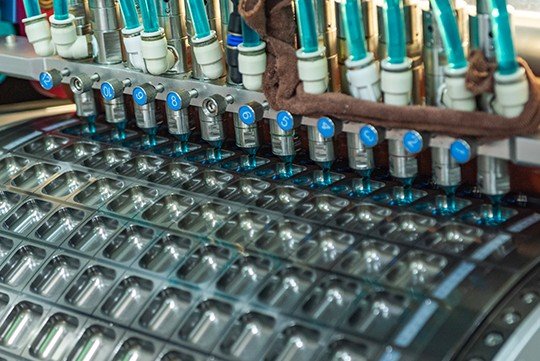
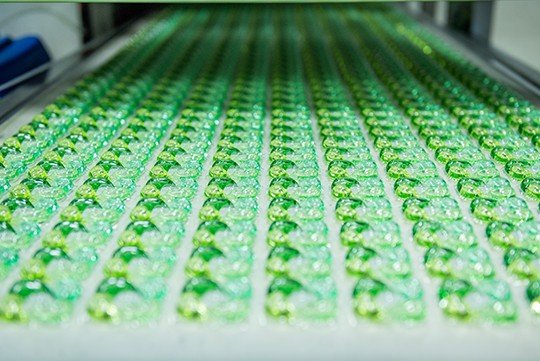
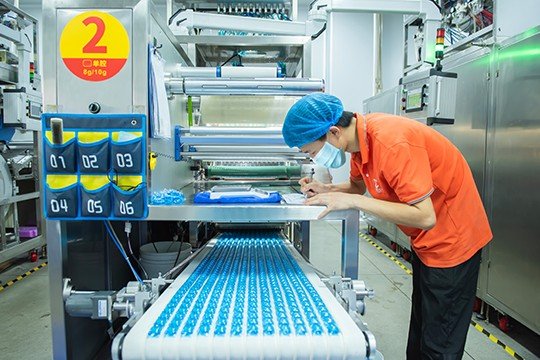
Request a live video call or audit that shows the current date, site entrance, material storage, mixing, pod forming and sealing, packing, laboratory area and finished-goods warehouse. Confirm which pod structures and pack formats are produced on the quoted line.
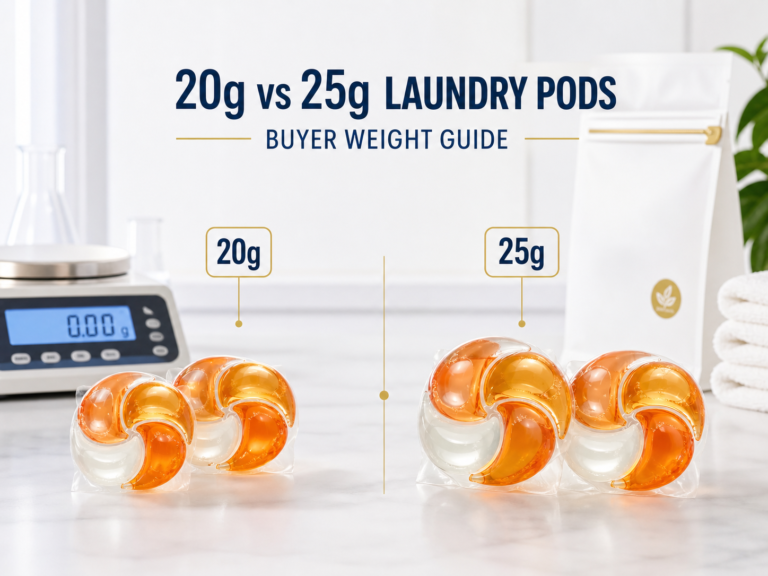
Every sample should have a code and a record of formula version, pod weight, film, fragrance and date. If the supplier cannot link the sample to a commercial specification, the buyer cannot confirm that bulk production matches what was approved.
Use the 15-point sample testing checklist and keep a retained approved sample.
Do not judge a factory by the number of certificate images. Check the applicant, issuing body, date, product or system covered, test sample and conclusion. A report for one formula does not automatically cover another formula, and a test report is not the same as a market authorization.
SHINEC publishes document examples including COA and third-party test materials in its certificate gallery. Public versions should redact report numbers, customer data and proprietary composition details; project files should be reviewed against the exact product specification.
Finished-goods inspection cannot correct every process problem. Ask how the factory controls incoming ingredients, water-soluble film, mixing, fill weight, seal integrity, appearance, leakage, dissolution, packaging, batch coding and retained samples. Request the acceptance criteria used for the quoted product.
Compare the same pod weight, chamber design, formula, fragrance, pack count, packaging material, cartons, testing, artwork and Incoterm. Ask which costs are one-time and which repeat. A low headline price may exclude printed packaging, testing or freight-related protection.
The purchase specification should define the approved formula or sample code, tolerances, packaging, claims, documents and inspection method. It should also state that material, fragrance, film, process or artwork changes require buyer approval. Verbal promises are difficult to enforce after production begins.
Consider a third-party audit when the first order is large, the product has complex claims, the packaging is technically sensitive, or the buyer cannot visit the site. An audit should be designed around the actual product and risks, not treated as a decorative certificate.
For the earlier RFQ and supplier-shortlisting stage, use the China sourcing and RFQ guide. For an end-to-end comparison, use the OEM factory selection scorecard.
SHINEC supports OEM/ODM buyers with formula options, premium fragrance development, sample records, packaging and project document review. Contact us with your specification and verification checklist so each requested item can be answered against the proposed product.
The following SHINEC factory images provide production, laboratory and quality-control context. Buyers should still verify the exact line, sample and document scope for their selected product.