Leave A Message
Tips: Kindly notice that reply of inquiry via email may went into spam, please kindly check your spam if you have sent inquiry email and do not receive replies, thank you.
Buyers comparing source laundry pods from China should use one written specification for every supplier. The specification should identify the formula direction, unit format, package, target market, test conditions and acceptance criteria.
The approved source laundry pods from China sample should have a code and date. Before ordering source laundry pods from China, confirm that the quotation, artwork and test evidence refer to that same version. For source laundry pods from China projects, any later formula, fragrance, film or packaging change should require written buyer approval.
source laundry pods from China ina efficiently, send every shortlisted supplier the same written RFQ and compare equivalent formulas, pod formats, packaging and trade terms. This prevents a low headline quote from hiding a different specification.
A complete sourcing file should include the target market, formula direction, pod weight and chambers, fragrance, pack count, artwork, test requirements, order quantity and Incoterm. Verify the production site and approve a coded sample before final negotiation.
For product-safety context, review the official CPSC liquid laundry packet guidance. Market requirements and claim evidence must still be confirmed for the exact formula, package and destination.
To source laundry pods from China efficiently, start with one technical RFQ, build a documented supplier shortlist and compare evidence before discussing the final price. A sourcing schedule depends on formula, samples, packaging, testing and buyer response time. A fixed seven-day promise cannot describe every project.
Send the same brief to every candidate. Include the destination country, sales channel, pod structure, target weight, pods per pack, fragrance direction, packaging, claims, order volume and required documents. Ask suppliers to identify assumptions and exclusions in writing.
| RFQ field | Why it matters |
|---|---|
| Target market | Changes label, document and formula review needs |
| Pod format and weight | Affects formula volume, film and production setup |
| Fragrance brief | Defines sample direction and safety documentation |
| Pack format | Affects moisture protection, artwork and MOQ |
| Claims | Determines the evidence and review required |
| Volume forecast | Helps compare capacity, pricing and packaging quantities |
Shortlist manufacturers that can explain their production scope, quality controls and document process. Verify the legal company name, business address, contact domain and whether the production shown belongs to the quoted supplier. A trading company is not automatically unsuitable, but its role must be transparent.
Ask for documents that match the product, formula and market. Depending on the project, these may include a safety data sheet, certificate of analysis, composition information, fragrance documents, test reports and packaging-label data. Check the applicant, product name, sample date, laboratory, scope and conclusion.
SHINEC publishes examples of its COA and third-party test materials in the company certificate gallery. Public copies should redact report numbers, customer information and proprietary formula details. For a live project, request the current document set for the exact selected formula.
A unit price is meaningful only when the specification is identical. Compare pod weight, chamber design, formula, fragrance, packaging material, pack count, cartons, testing, artwork, tooling, payment terms and Incoterms. Separate one-time costs from recurring production costs.
Ask each supplier to state the MOQ for pods and every packaging component. See the OEM MOQ guide for a practical comparison method.
Evaluate samples using the same wash conditions and a written score sheet. Test cleaning, dissolution, residue, leakage, seal integrity, appearance, fragrance on dry fabric and packaging compatibility. Do not approve only from the scent in an unopened sample bag.
Use the 15-point laundry pod sample checklist and keep a retained sample of the approved version.
A video call can confirm basic operations, but higher-risk orders may justify an independent audit or on-site visit. Check raw-material control, film storage, dosing and sealing, environmental controls, metal detection where applicable, finished-goods inspection and batch traceability.
Use the separate factory verification and red-flags guide for this stage. Keeping factory verification separate from the RFQ process helps each page answer a distinct buyer question.
Before paying a production deposit, attach the approved formula or sample code, weight tolerance, appearance, fragrance, pack artwork, carton marks, quality criteria, inspection method and required documents to the order. Define how changes and nonconformities will be handled.
Confirm whether inspection happens during production, before shipment or both. Review quantity, packaging, labels, batch coding, carton condition and selected functional tests. Shipping conditions matter because heat and humidity can affect water-soluble film and fragrance stability.
For customs, Incoterms and import documentation, continue with the laundry pods import checklist. That guide covers the import stage rather than supplier shortlisting.
SHINEC supports OEM/ODM laundry pod projects with formula options, premium fragrance development, sample testing and private-label packaging. Send your RFQ with the target market, pod specification, pack format and expected volume so the quotation can be based on a defined product rather than a generic price.
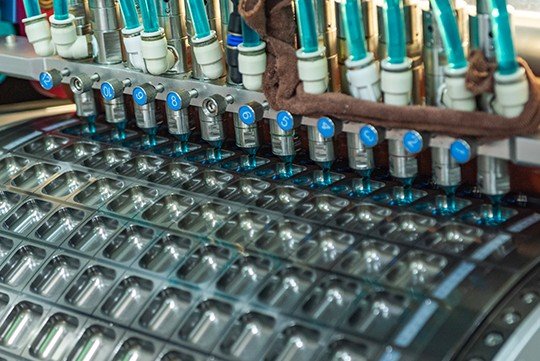
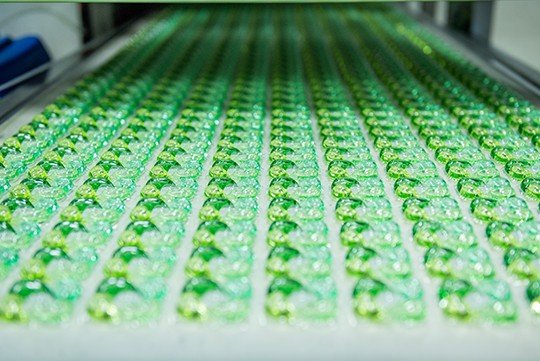
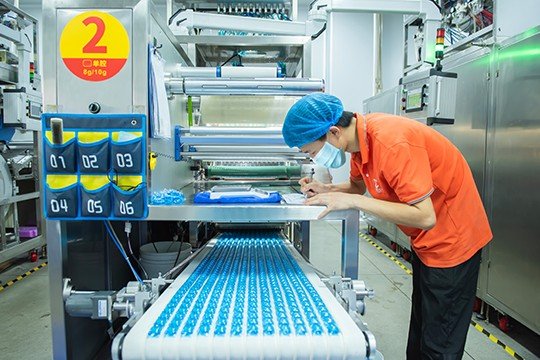
The following SHINEC factory images provide production, laboratory and quality-control context. Buyers should still verify the exact line, sample and document scope for their selected product.