Leave A Message
Tips: Kindly notice that reply of inquiry via email may went into spam, please kindly check your spam if you have sent inquiry email and do not receive replies, thank you.
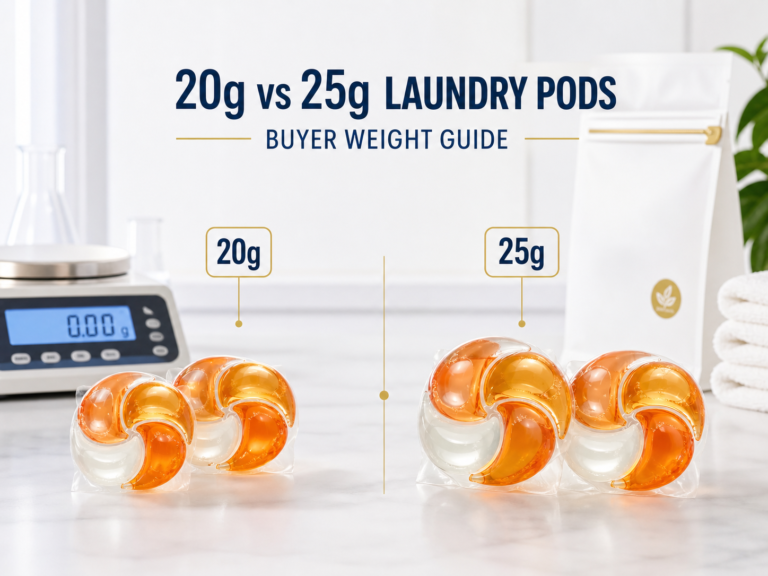
Buyers comparing laundry pods sourcing pitfalls should use one written specification for every supplier. The specification should identify the formula direction, unit format, package, target market, test conditions and acceptance criteria.
The approved laundry pods sourcing pitfalls sample should have a code and date. Before ordering laundry pods sourcing pitfalls, confirm that the quotation, artwork and test evidence refer to that same version. For laundry pods sourcing pitfalls projects, any later formula, fragrance, film or packaging change should require written buyer approval.
laundry pods sourcing pitfalls usually begin before production: the buyer compares incomplete quotations, approves an untraceable sample or leaves changes undocumented. These three mistakes can increase cost and delay a private-label launch.
Use one written RFQ, identify every sample by code, verify the scope of reports and freeze formula, fragrance, pod structure, packaging and inspection criteria. Require written approval before any material or process change.
For product-safety context, review the official CPSC liquid laundry packet guidance. Market requirements and claim evidence must still be confirmed for the exact formula, package and destination.
The most expensive laundry pods sourcing mistakes usually happen before shipment: an incomplete specification, unverified claims and weak change control. These failures can create leakage, rejected packaging, inconsistent fragrance, customs delays or disputes that are far more serious than a small difference in unit price.
A quotation should be tied to a written product specification. Define the pod structure, nominal weight and tolerance, formula or approved sample code, film, fragrance, color, dissolution criteria, seal integrity, pack count, packaging material, artwork, carton and required documents.
Without this record, suppliers may quote different active content, pod weights or packaging scopes. The lowest number may not represent the product the buyer expects.
Start with the China sourcing and RFQ guide.
A successful hand sample does not prove that bulk production will be identical. Likewise, a report for one submitted formula does not automatically cover another fragrance, concentration, color or claim. Check the product name, applicant, sample date, method, result and scope of every document.
For performance claims, define the exact test method and wording. For fragrance, request applicable safety information and verify compatibility in the final pod formula. For destination-market compliance, confirm the importer’s and brand owner’s duties rather than asking for one “global certificate.”
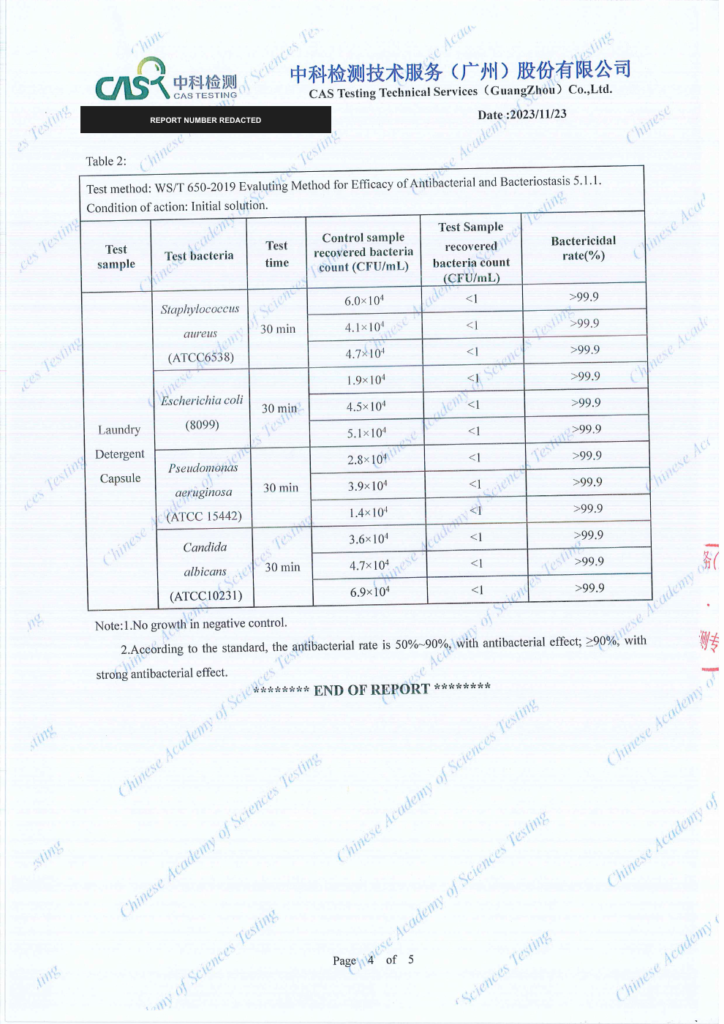
Review the US and EU laundry pod compliance guide and the SHINEC certificate gallery for document examples.
Bulk production can drift from the approved sample when materials, fragrance, film, fill weight, process settings or packaging are changed. The risk is higher when the agreement does not identify which changes require buyer approval.
SHINEC supports OEM/ODM buyers with formula selection, premium fragrance development, coded samples, private-label packaging and project document review. Send your product brief and required control points so the quotation and approval process can be tied to one clear specification.
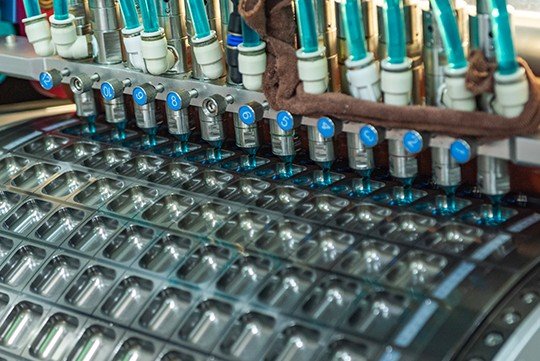
The following SHINEC factory images provide production, laboratory and quality-control context. Buyers should still verify the exact line, sample and document scope for their selected product.