Leave A Message
Tips: Kindly notice that reply of inquiry via email may went into spam, please kindly check your spam if you have sent inquiry email and do not receive replies, thank you.

Buyers comparing private label laundry pods should use one written specification for every supplier. The specification should identify the formula direction, unit format, package, target market, test conditions and acceptance criteria.
The approved private label laundry pods sample should have a code and date. Before ordering private label laundry pods, confirm that the quotation, artwork and test evidence refer to that same version. For private label laundry pods projects, any later formula, fragrance, film or packaging change should require written buyer approval.
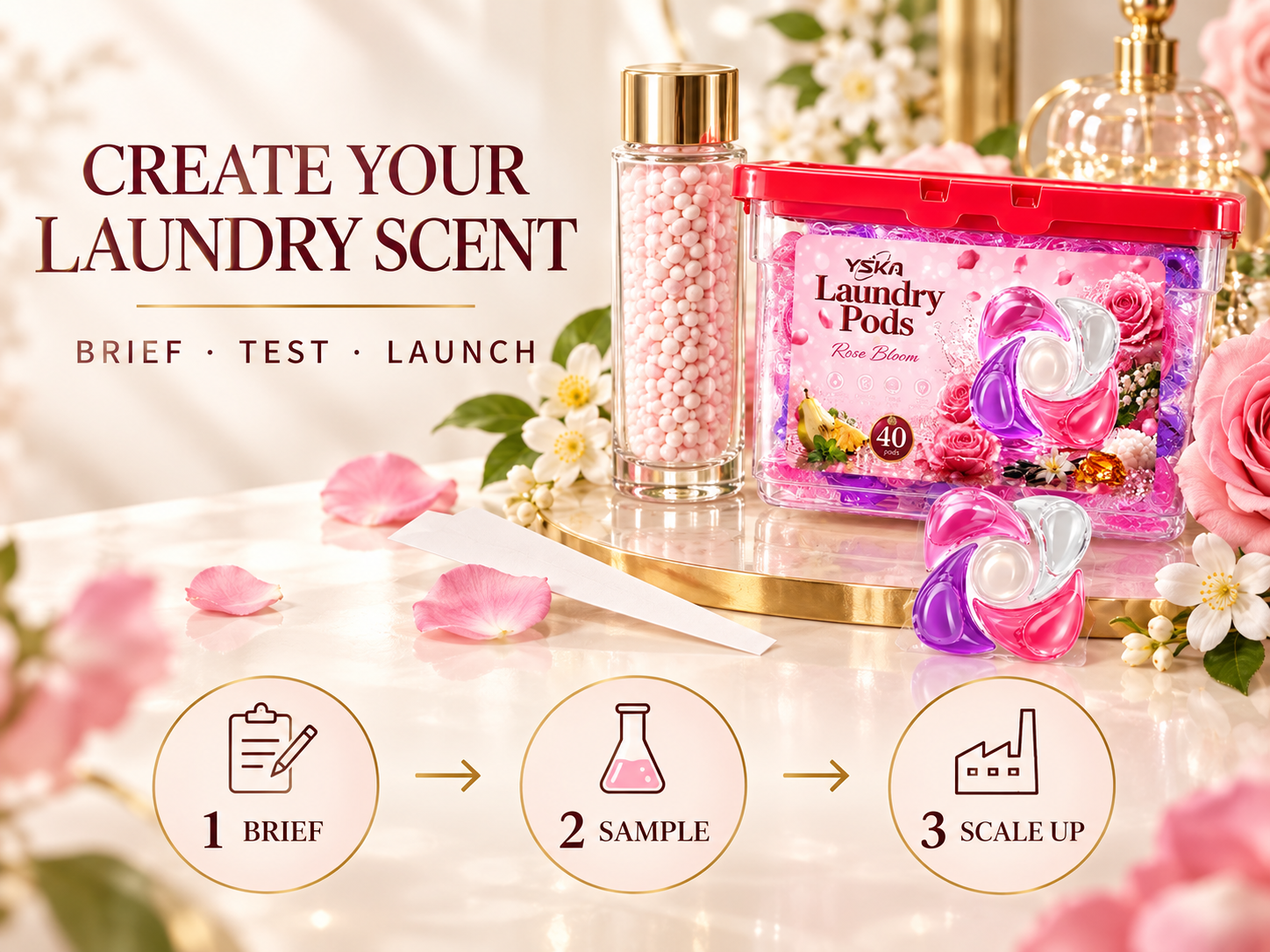
private label laundry pods turn a brand concept into a controlled formula, unit dose, fragrance, package and approved production standard. Buyers should define the target market and claims before selecting colors or printed packaging.
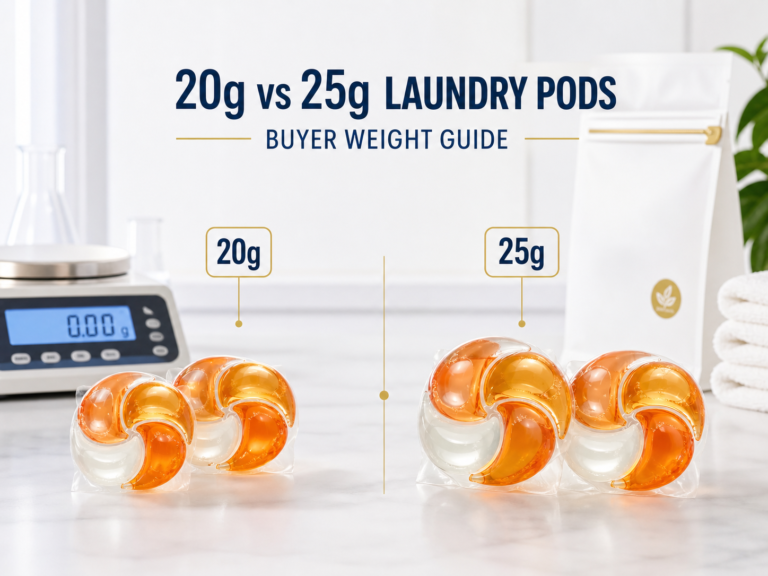
For private label laundry pods, confirm the formula direction, pod weight, chamber structure, fragrance brief, packaging format, MOQ basis, sample tests and destination requirements. Keep the approved sample code and commercial specification aligned before mass production.
For product-safety context, review the official CPSC liquid laundry packet guidance. Market requirements and claim evidence must still be confirmed for the exact formula, package and destination.
Private-label laundry pods are developed through a controlled sequence: market brief, formula and fragrance selection, sample testing, packaging approval, compliance review and production release. The actual schedule and MOQ depend on formula complexity, pod weight, film structure, packaging, testing and destination-market requirements. Buyers should approve each stage instead of relying on a fixed launch promise.
A useful RFQ describes the destination market, target customer, retail channel, pack size, pod weight, chamber design, cleaning priorities, fragrance direction, packaging type and expected annual volume. Without these details, two supplier quotations may describe completely different products.
Buyers normally choose between an established base formula, a modified formula or a new custom development. An established base can reduce development work, while a custom formula allows greater differentiation but requires more compatibility and stability testing. The best route depends on the brand promise and risk tolerance, not only unit price.
Evaluate cleaning, dissolution, leakage, residue, odor stability and appearance together. A visually impressive pod that leaks in humid storage is not ready for commercial production.
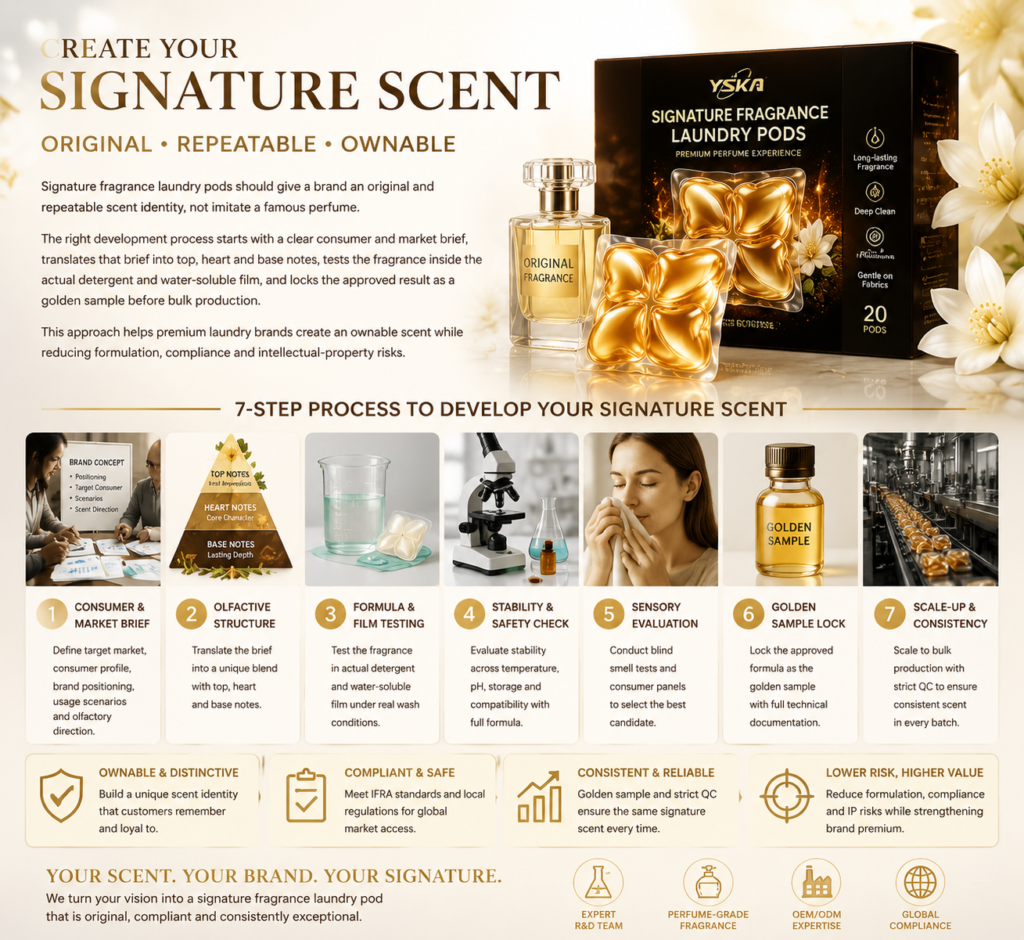
For premium and luxury-fragrance positioning, specify the scent family, desired dry-fabric character, intensity, target consumer and any reference direction. Do not ask a supplier to copy a protected perfume name or packaging. Develop an original fragrance direction and confirm the applicable safety documentation.
See our custom scent development guide and fragrance specification guide for the questions that belong in an OEM brief.
MOQ is affected by production-line setup, film printing, packaging materials, carton quantities and the number of SKUs. Ask the supplier to separate the MOQ for pods, pouches or tubs, labels, printed film and cartons. A low pod MOQ can still require a larger packaging order.
Use the laundry pods OEM MOQ guide to compare quotations on the same basis.
Approve the formula by testing it under realistic customer conditions. Record the machine type, water conditions, temperature, load, fabric and dose. Check cleaning, dissolution, seal integrity, fragrance on dry fabric, residue and packaging compatibility.
Use our 15-point sample testing checklist. If the project includes a performance or antibacterial claim, request evidence for the exact submitted formula and confirm whether additional market authorization is required.
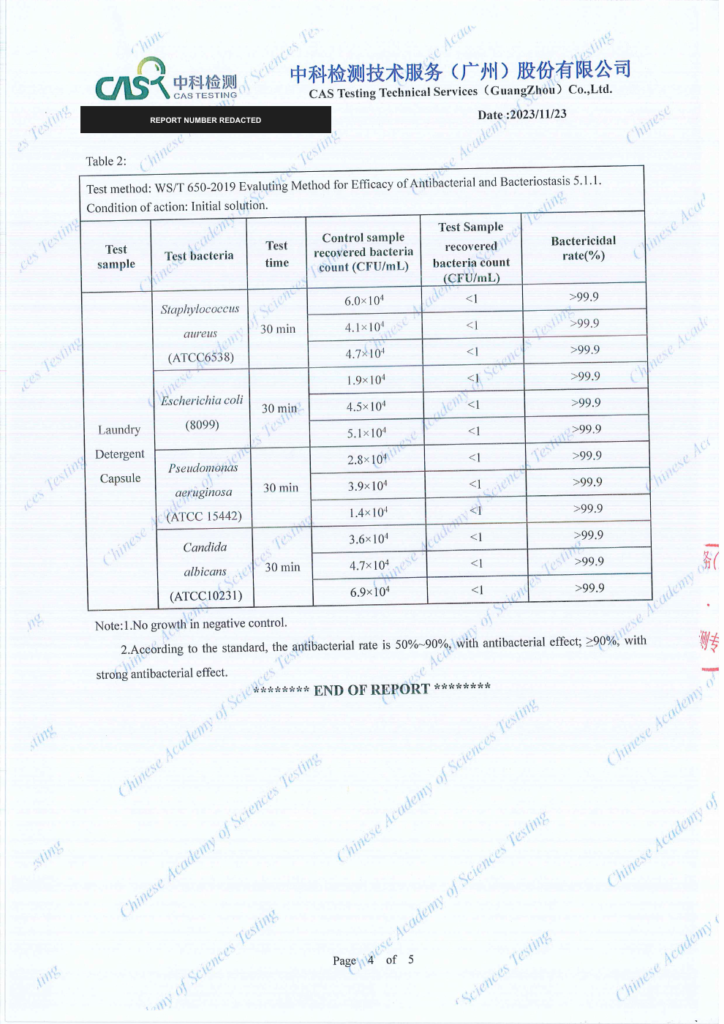
Document needs vary by formula, claims and country. Common project documents may include a safety data sheet, ingredient or composition information, certificate of analysis, fragrance documents, test reports and packaging-label information. A supplier certificate does not replace the importer’s duty to confirm local classification, labeling and notification requirements.
SHINEC’s public certificate page includes examples such as a COA, REACH/SVHC testing and product-related reports. Review the company profile and certificate gallery, then request the current document set that matches your selected formula. Sensitive report numbers, customer details and proprietary composition information should be redacted in public copies.
Laundry pods require moisture-resistant, child-conscious packaging and clear handling instructions. Confirm film artwork, barcode, language, net contents, warnings, batch coding and carton marks. Test the filled pack, not only the empty pouch or tub, because seal quality and moisture protection affect shelf stability.
A project schedule should include brief confirmation, laboratory samples, buyer testing, revision, artwork, packaging proof, document review, pre-production approval, manufacturing, final inspection and shipment. The duration changes when the buyer requests a new fragrance, custom film, additional testing or several SKUs. Ask for milestone dates and responsible parties instead of accepting one headline number.
The purchase specification should identify the approved formula or sample code, pod weight tolerance, appearance, packaging, fragrance, test method, quality criteria and required documents. Keep signed artwork and retained samples. These records reduce misunderstandings when production moves from a hand sample to a commercial batch.
SHINEC develops OEM/ODM laundry pods for international buyers, including premium fragrance directions, formula options, sample evaluation and private-label packaging. Send your product brief with the target market, pod format, pack size, fragrance direction and expected volume for a project-specific assessment.
The following SHINEC factory images provide production, laboratory and quality-control context. Buyers should still verify the exact line, sample and document scope for their selected product.